

I look for what matters, find the idea, and build a system around it — one strong enough to hold up years later, in places it hasn't gone yet.
01 — Find the tension
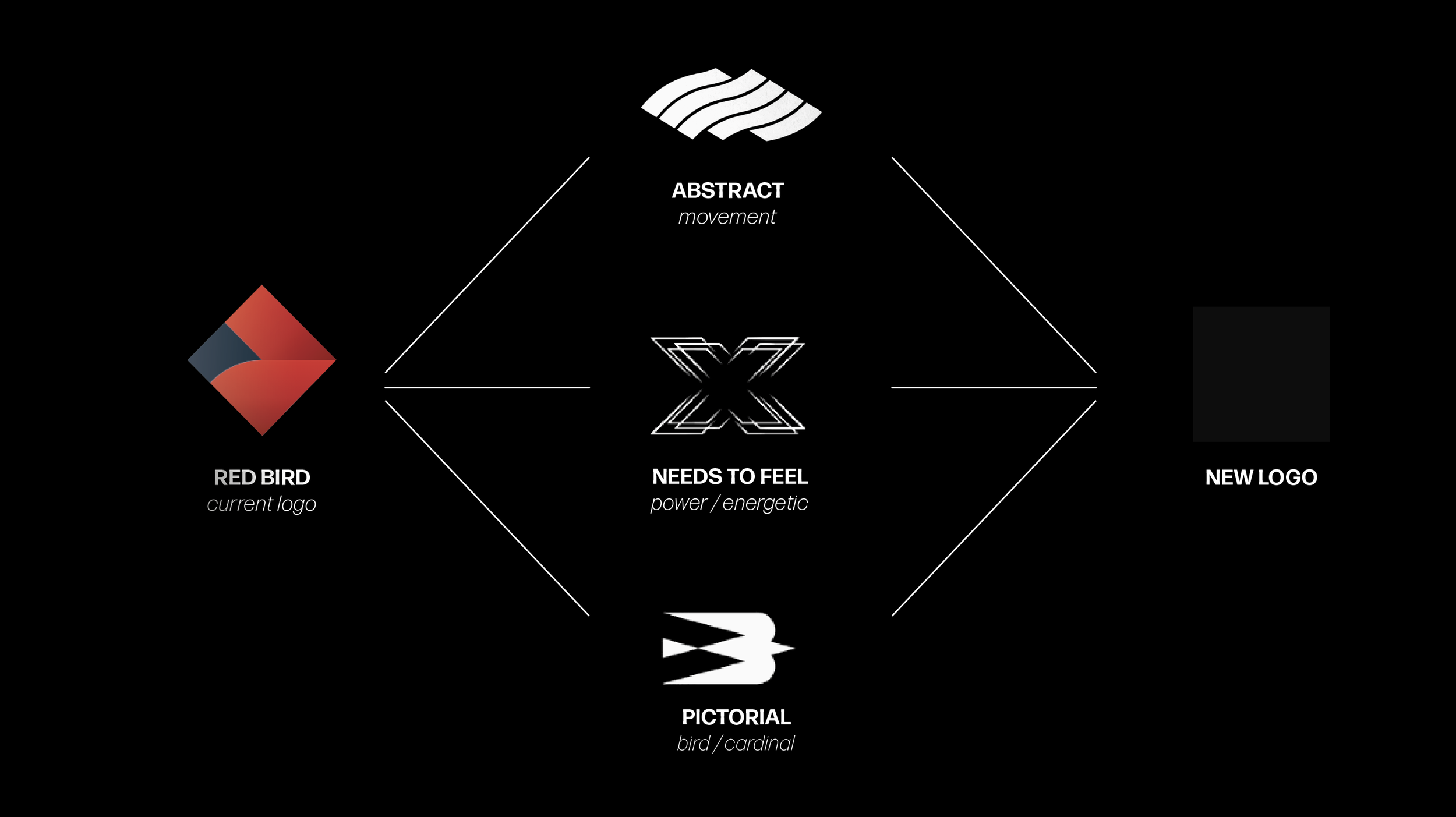
Redbird needed to feel like technology, but read as luxury. Naming that tension first is what keeps everything after it from becoming decoration.
02 — Build the core, not the surface
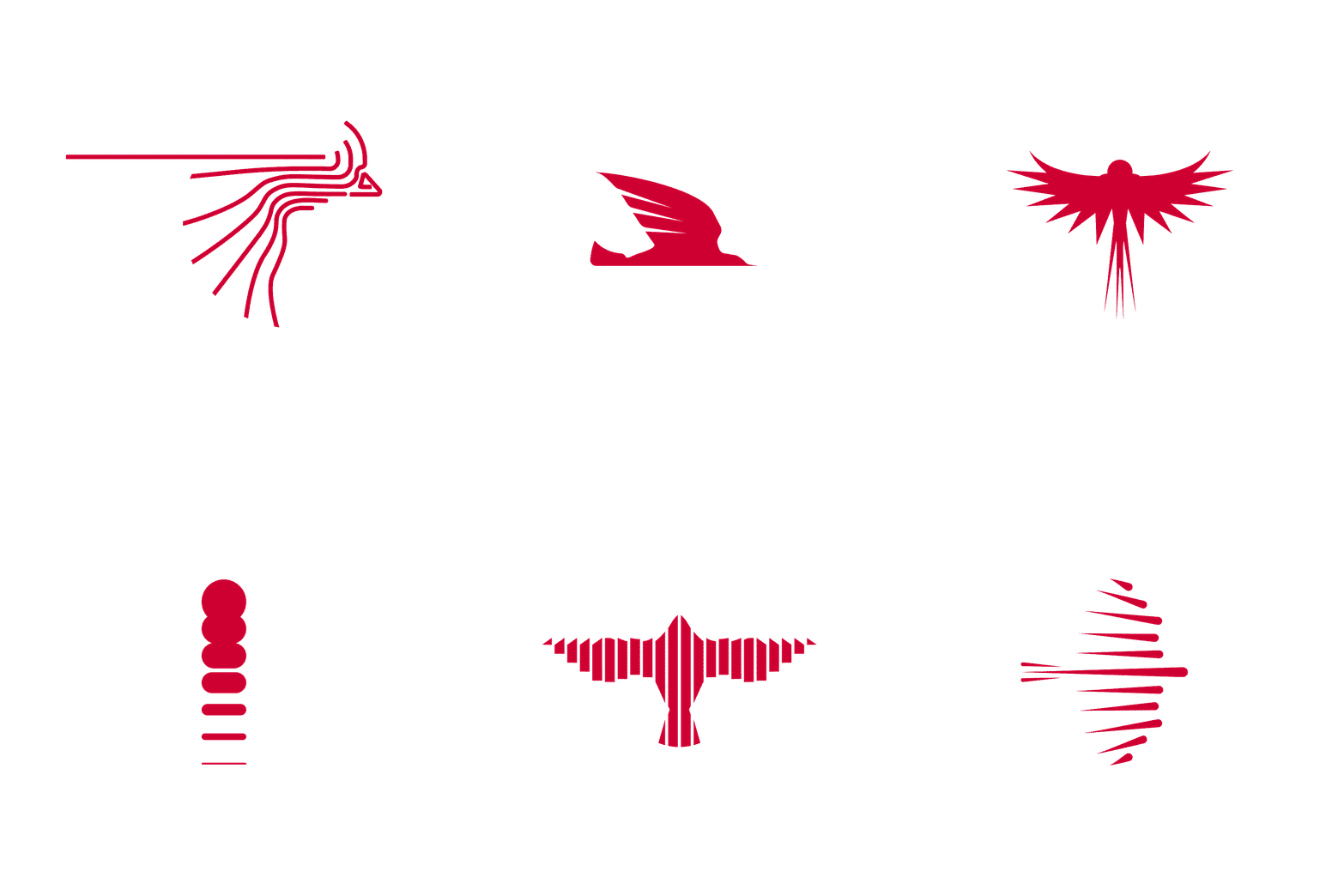
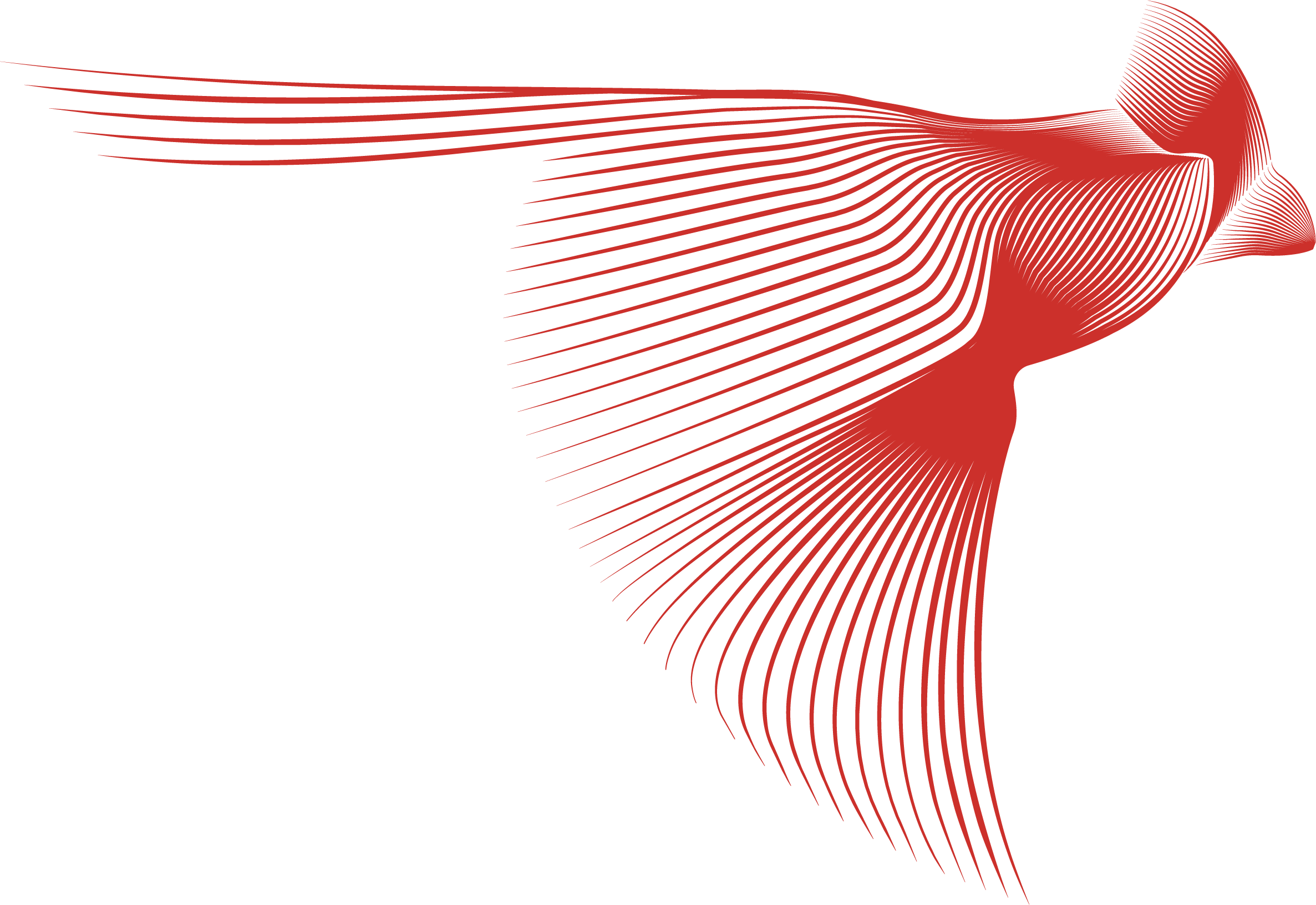
A mark built to hold two ideas at once — grounded enough for billions in assets, agile enough for a firm still expanding into new categories.
03 — Design for what doesn't exist yet
In 2022 there was no Development Group, no Foundation, no RedBird X. The system had room for them anyway.
04 — Extend, don't reinvent
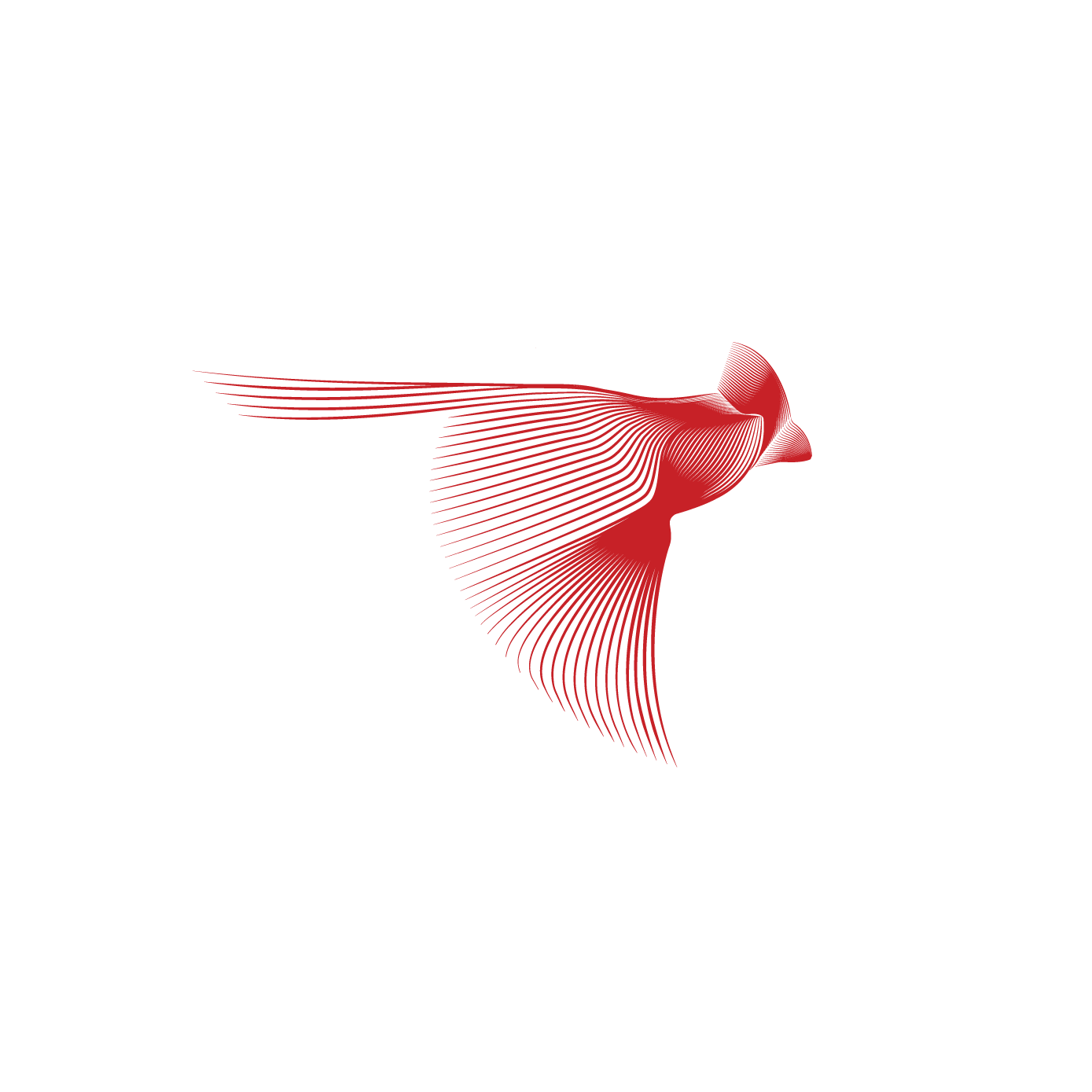
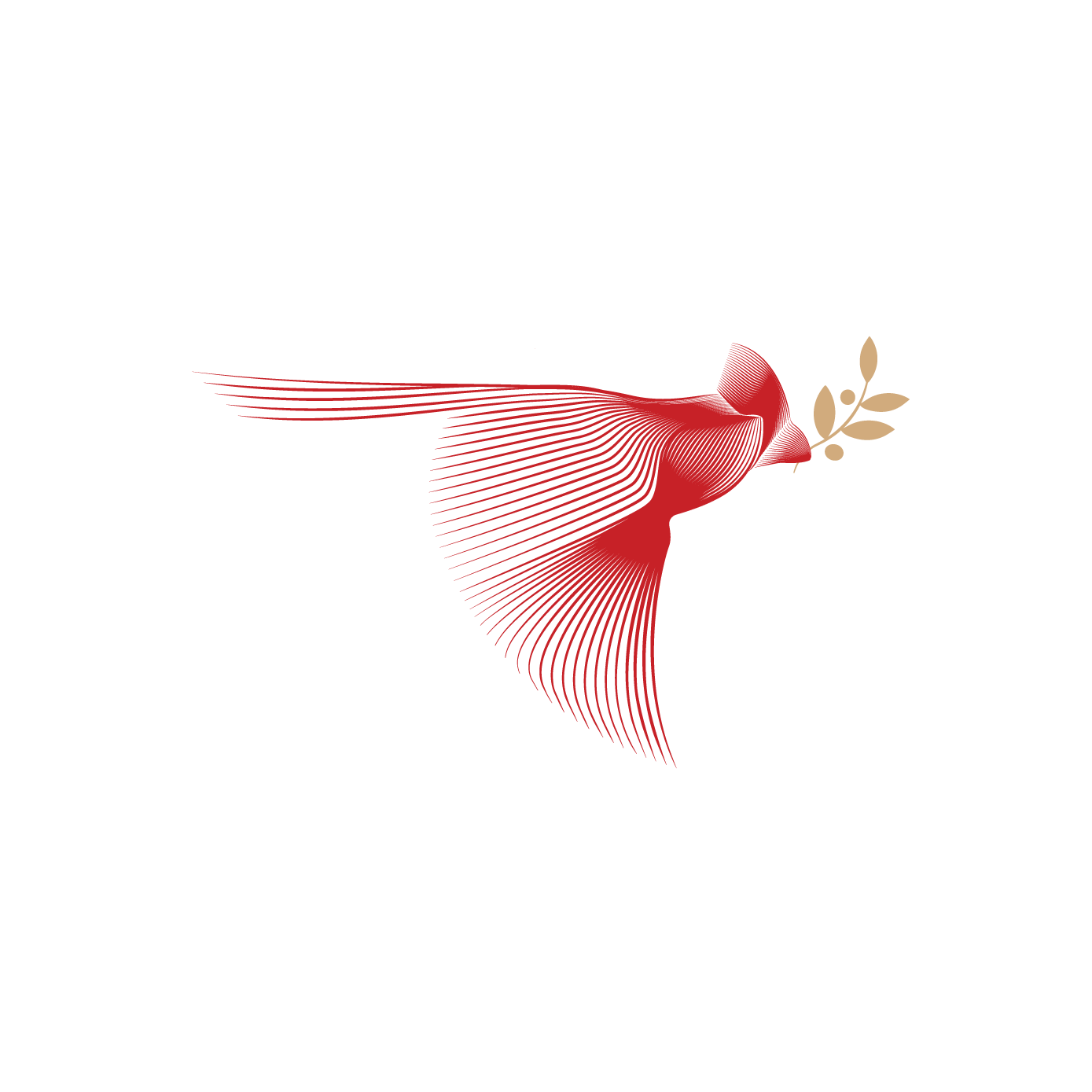
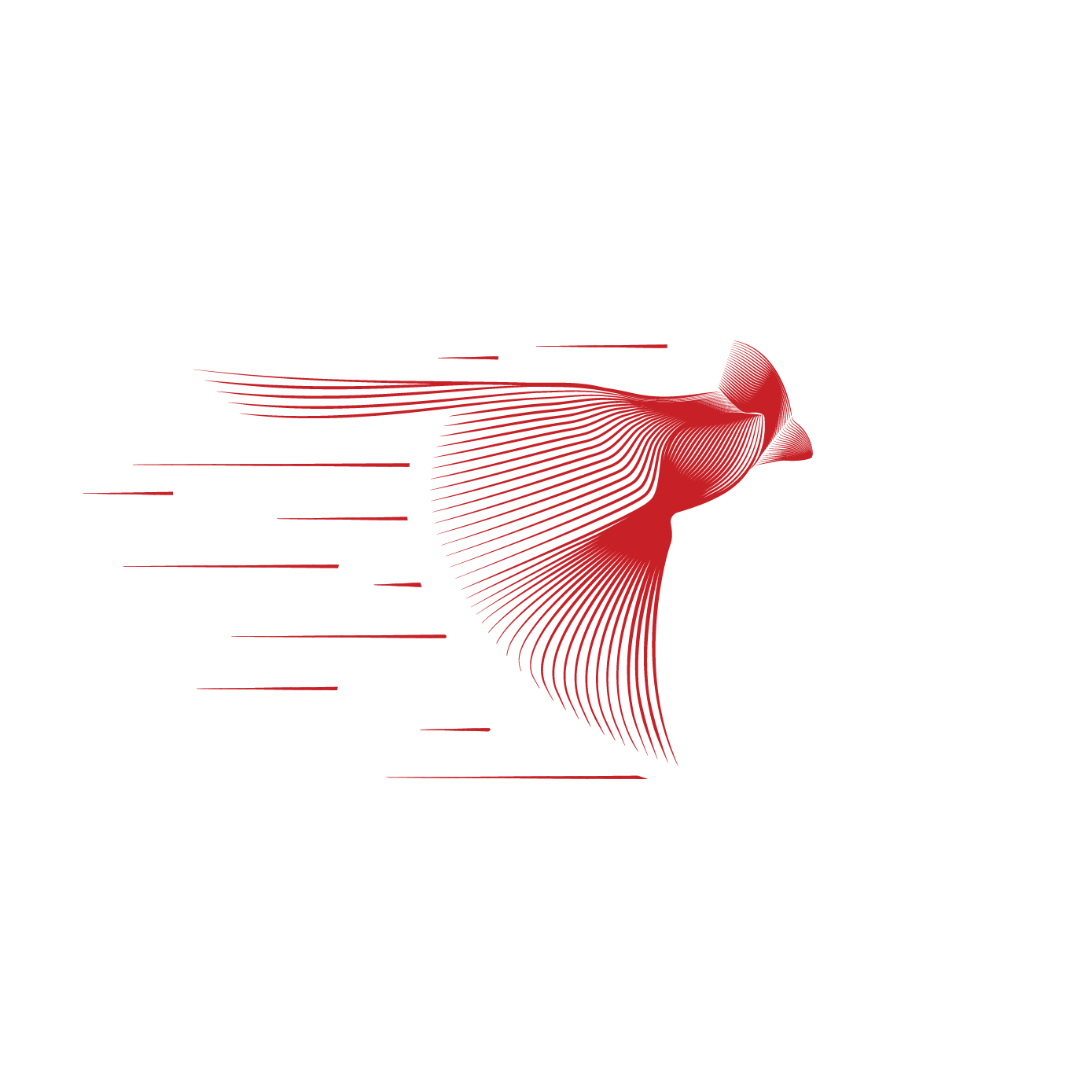
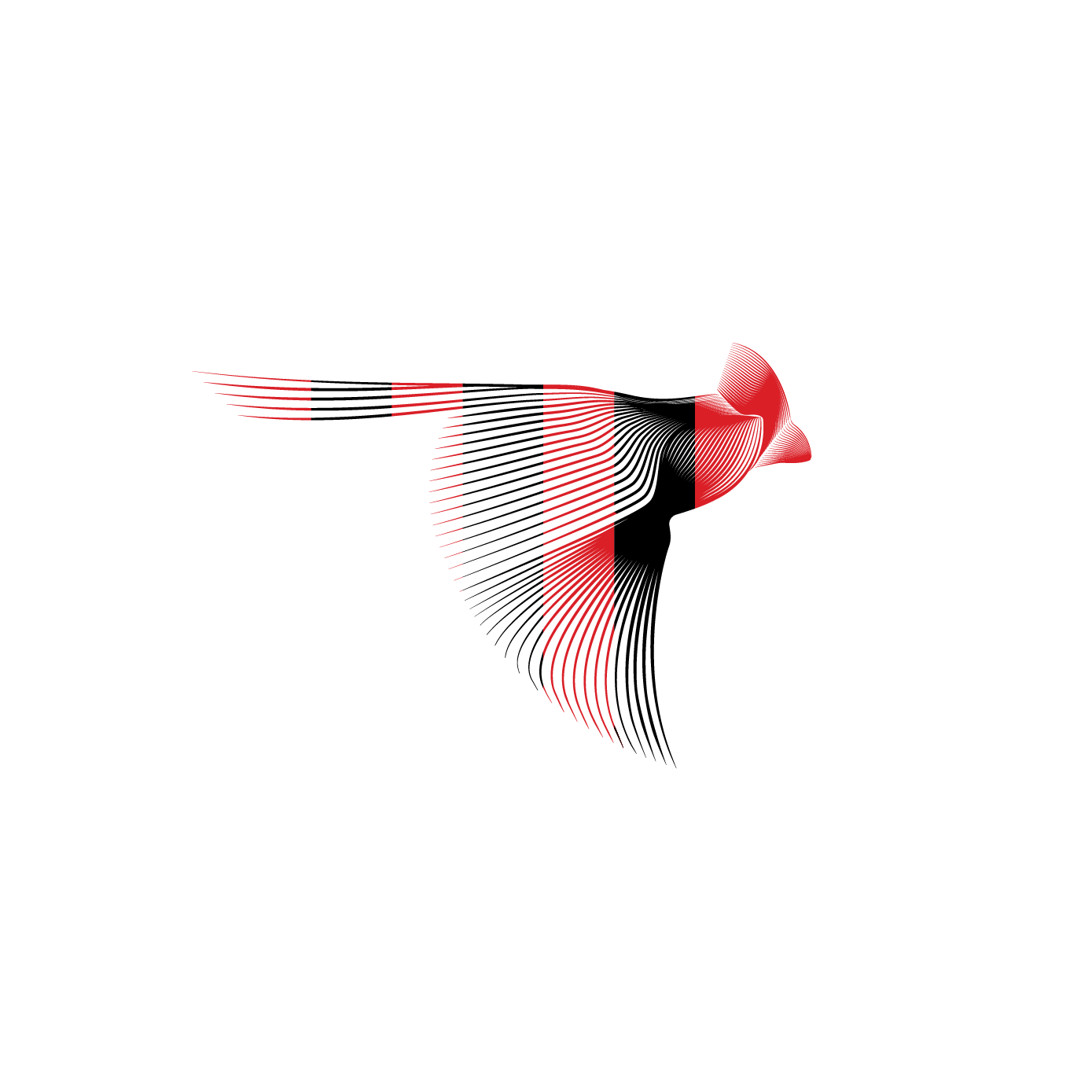
The discipline is in what I don't do. When Redbird expanded into real estate, I didn't start over — I extended the existing logic, recolored and rebalanced for a different kind of business. Same approach when the Foundation launched: same mark, same structure, just softened for a philanthropic register instead of a commercial one. Nothing ever looks like it came from somewhere else.
05 — The proof is time
Four years after I built Redbird's identity, I'm still extending it — RedBird X is the newest proof, not the last. That's the real test of whether a system worked: not how it looked on day one, but whether it's still standing, still growing, long after the first launch.